Naperville's Firefighting Water Damage Specialists
Dry Suppression Water Before Mold Starts
The water used to stop the fire can keep damaging drywall, flooring, cabinets, and contents until mitigation begins.
Naperville's Firefighting Water Damage Specialists
The water used to stop the fire can keep damaging drywall, flooring, cabinets, and contents until mitigation begins.
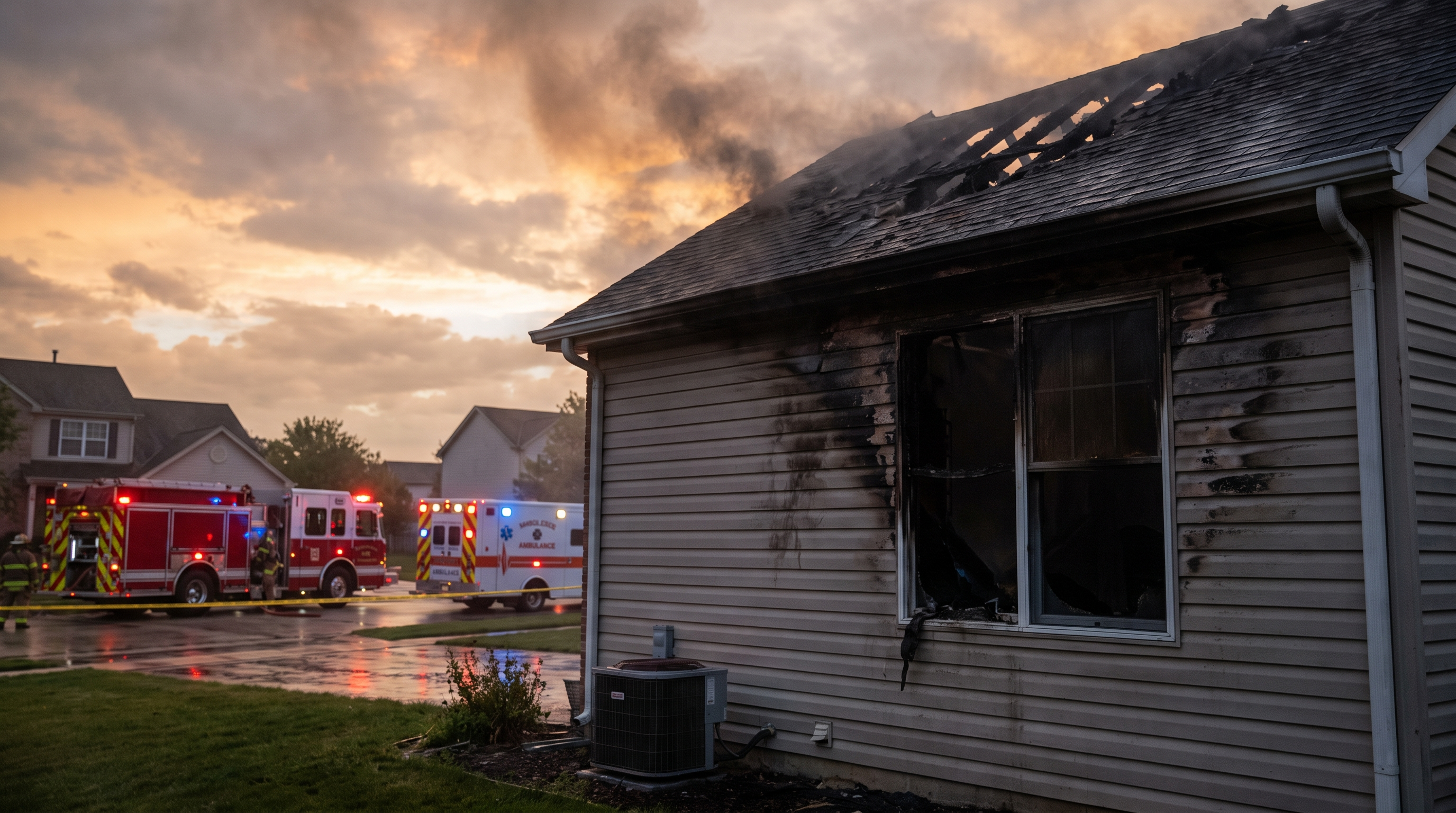
Fire crews may use hundreds or thousands of gallons of water during a residential fire. After the flames are out, that water can soak drywall, insulation, base plates, subflooring, hardwood, cabinet boxes, carpet, stored belongings, and finished basement materials.
Naperville homes need careful moisture mapping because water can move into places that do not look wet. In older colonials, water may run through wall cavities and ceiling assemblies. In newer suburban homes, it can collect behind cabinets, under floating floors, around utility rooms, and along trim lines.
Firefighting water damage has a short clock. Wet gypsum board loses strength, wood swells, laminate cups, cabinet boxes delaminate, and hidden moisture can lead to mold if drying waits.
Mitigation must work with the fire claim, not against it. Contractors should document the wet materials before removal, preserve evidence for the adjuster, then extract water, remove unsalvageable materials, and set drying equipment where it will do real work.
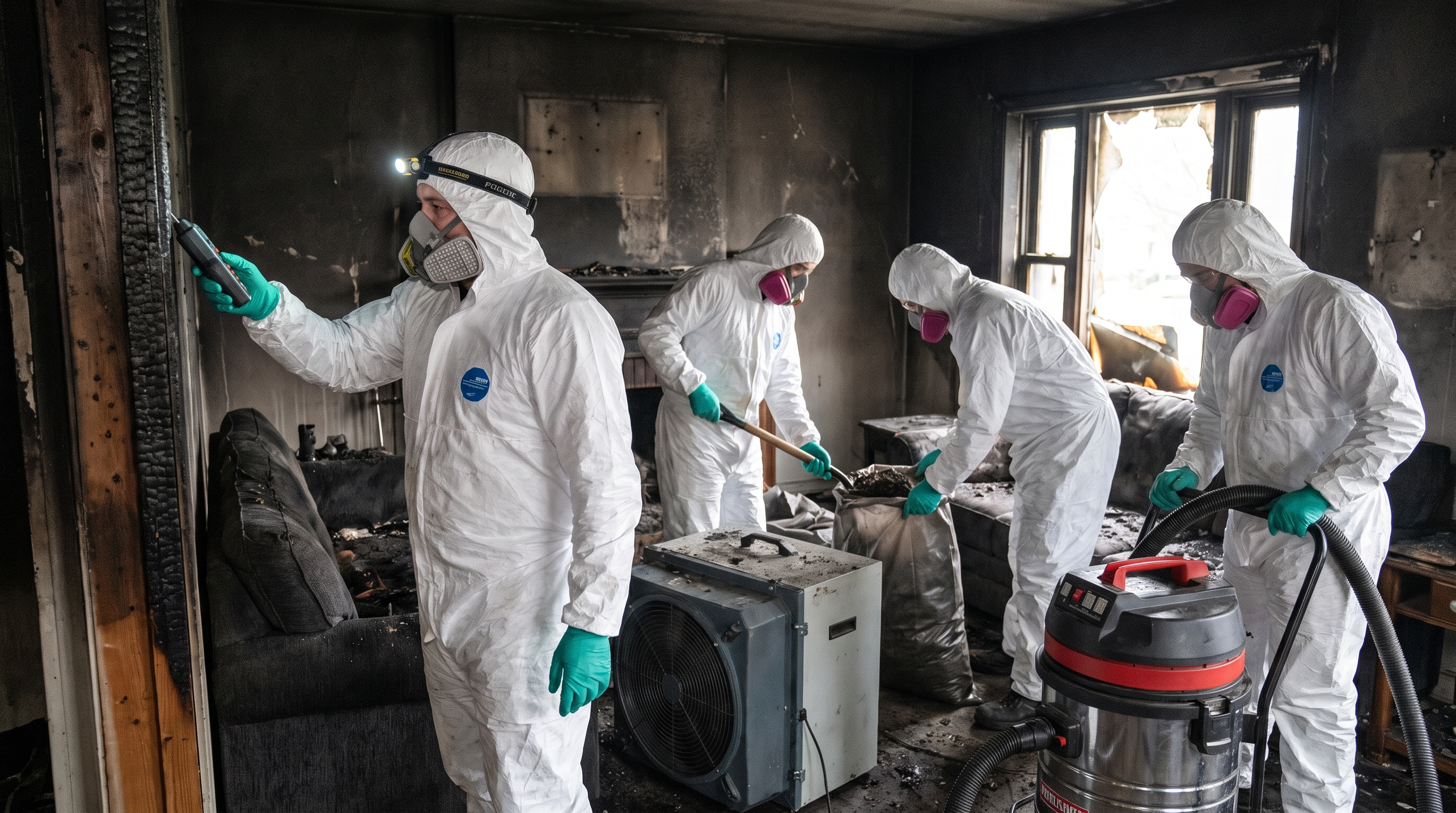
Fire-related water mitigation finds, documents, extracts, dries, and monitors suppression water without losing the evidence needed for the insurance claim.
Contractors remove standing water where possible and use moisture readings to find wet drywall, flooring, cabinets, insulation, and contents. Mapping prevents a room from being called dry because the surface looks clean.
Wet drywall, insulation, flooring, trim, and cabinet components may need removal when drying cannot save them. Contractors document the condition before demolition so the claim record stays intact.
Air movers, dehumidifiers, containment, and day-by-day readings help bring materials back to safe moisture levels. Drying plans must account for smoke residue, odor work, and access needed for rebuild.
Removing wet materials too soon can hurt the claim, but waiting too long can create mold. The right contractor documents first, then dries or removes materials with the insurance record in mind.
Water follows framing, flooring edges, cabinet bases, basement paths, and utility penetrations. Naperville homes often need readings in rooms that did not burn.

Start drying after clearance so suppression water does not turn into a second loss.
Free — no obligations
Identify where firefighters applied water and where it traveled through rooms, ceilings, floors, cabinets, and contents.
Photograph wet materials, record moisture readings, and preserve claim evidence before demolition or disposal.
Remove standing water, open affected areas as needed, and place drying equipment based on moisture readings.
Track drying progress until materials reach target levels, then coordinate cleanup, odor control, and rebuild work.