Naperville's Contents Restoration Specialists
Protect Belongings After Smoke and Water Damage
Do not discard fire-damaged belongings before they are photographed, inventoried, and reviewed for cleaning or coverage.
Naperville's Contents Restoration Specialists
Do not discard fire-damaged belongings before they are photographed, inventoried, and reviewed for cleaning or coverage.
A fire damages more than the building. Furniture, clothing, electronics, rugs, books, documents, photos, dishes, tools, and stored basement items can absorb smoke, soot, moisture, and odor even when they sit far from the burn area.
Contents restoration starts with inventory. Items need photos, condition notes, location details, and category sorting before anything goes to cleaning, storage, disposal, or carrier review. That record matters because personal property coverage often follows a different process from building repairs.
Naperville homeowners may also need temporary housing while restoration work continues. Contents pack-out can support that process by clearing rooms for demolition and rebuild, protecting salvageable belongings, and separating items that need cleaning from items that should be replaced.
The faster contents are handled, the better the chance of saving soft goods, wood furniture, documents, and electronics. Soot and smoke odor become harder to remove after they sit in porous materials.
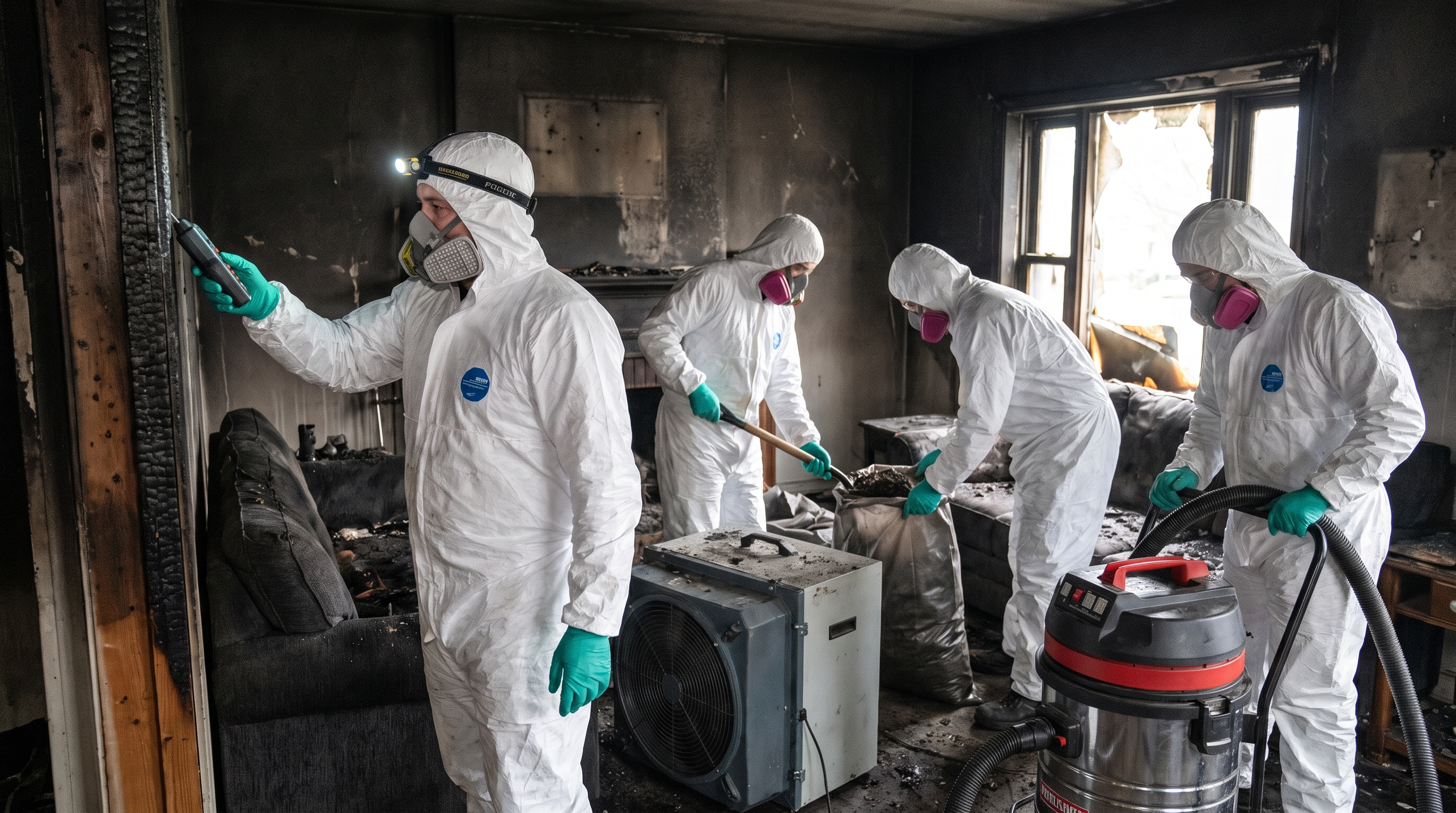
Contents restoration protects belongings while the structure is cleaned, dried, and repaired.
Technicians photograph and list affected belongings by room, category, and condition. This creates a record for the homeowner and insurance carrier before items are cleaned, stored, or discarded.
Salvageable items are packed, labeled, transported, and cleaned with methods suited to smoke, soot, water, and odor exposure. Fragile items, documents, textiles, and electronics need separate handling.
Cleaned belongings can be stored while the home is under restoration. After final cleaning or rebuild, items are returned and placed according to the inventory.
Throwing items away too soon can make a personal property claim harder to prove. Inventory and photos give the homeowner a cleaner record before the carrier makes coverage decisions.
Contents work should clear access for structural repairs without losing track of belongings. Labeling, storage, and return planning keep the home from turning into a confused pile of boxes.

Start contents documentation before damaged items are moved or discarded.
Free — no obligations
Separate urgent items, salvageable belongings, items with severe damage, and materials that need carrier review.
Create a room-by-room record with item descriptions, condition notes, and photos for the insurance file.
Pack, label, clean, deodorize, or store belongings based on material type and damage level.
Keep cleaned items secure until the home is ready, then return belongings after final cleaning or rebuild.