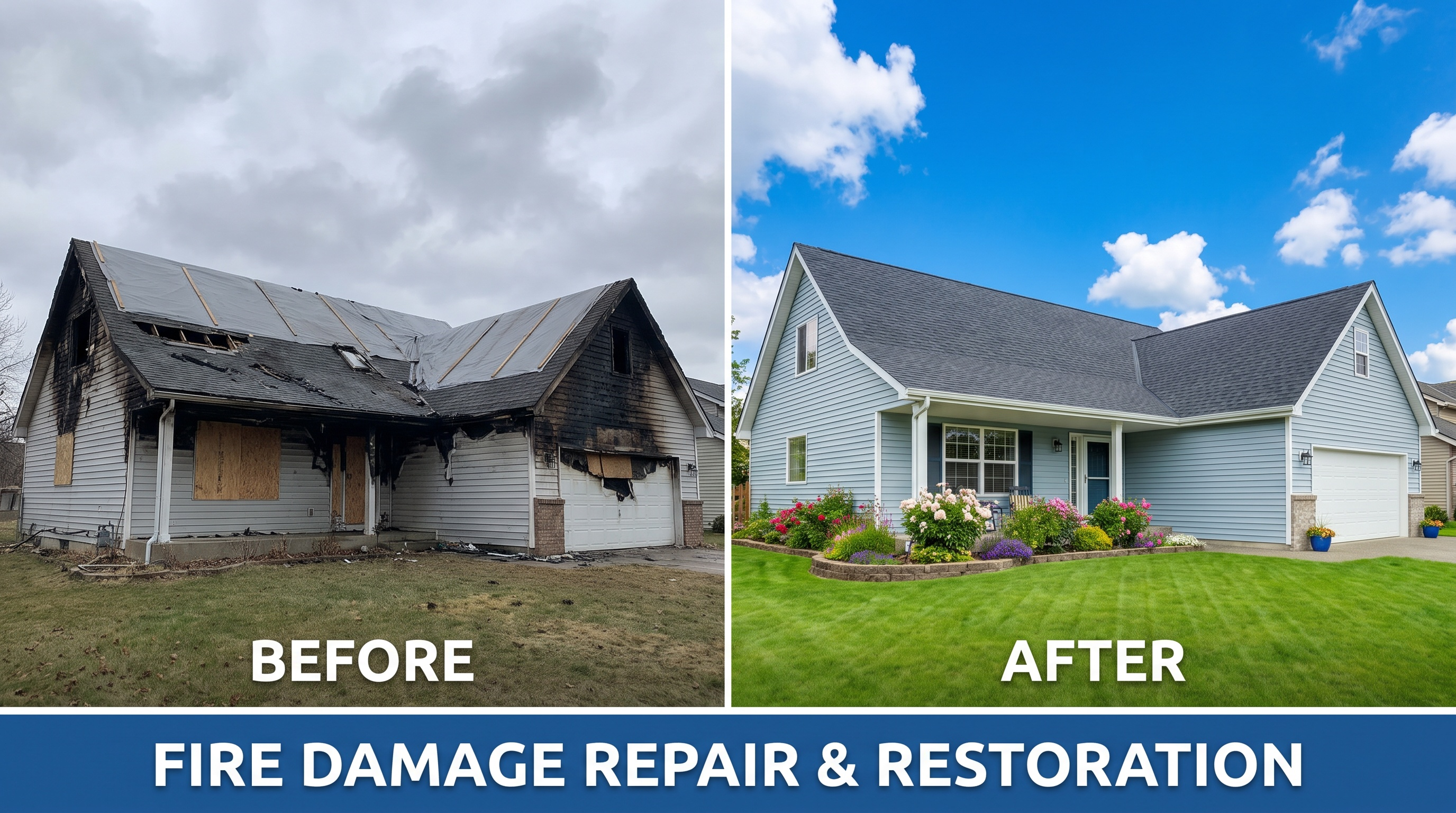
Naperville's Smoke & Soot Cleanup Specialists
Remove Soot Before It Etches Surfaces
Acidic soot can stain finishes and spread odor, so cleanup should begin once the structure is safe.
Naperville's Smoke & Soot Cleanup Specialists
Acidic soot can stain finishes and spread odor, so cleanup should begin once the structure is safe.
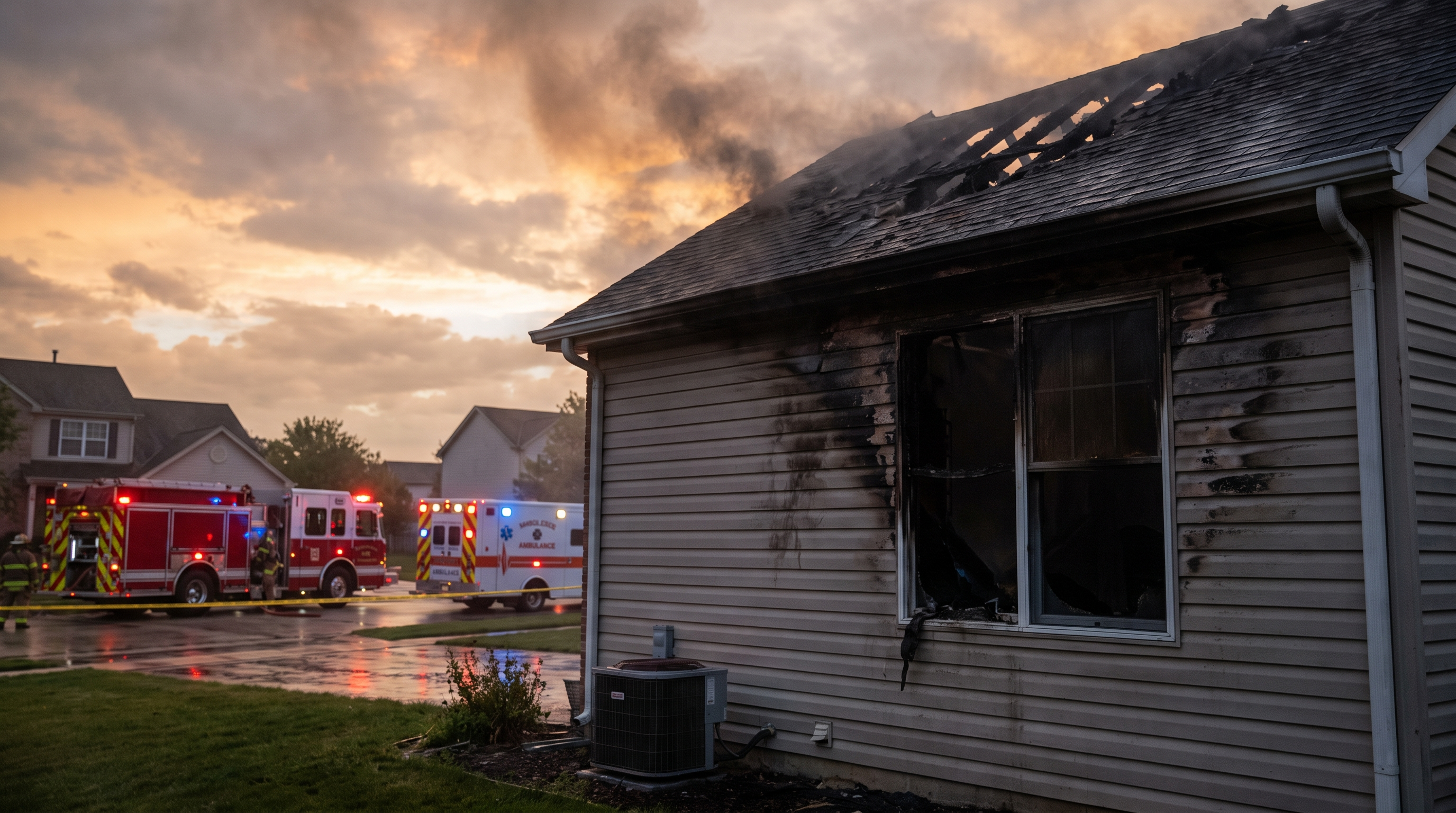
Smoke does not respect room lines. In a Naperville home with an open kitchen, finished basement, attic ductwork, or attached garage, smoke can move through return vents, stair openings, insulation gaps, closets, and wall cavities before settling as a thin film.
Different fires leave different residues. A kitchen fire may leave a sticky protein film and heavy odor with little visible soot. An electrical panel fire can produce greasy residue from plastics and wire insulation. A heating equipment fire may push smoke through the utility area and HVAC system before the homeowner notices the full spread.
Professional smoke and soot cleanup starts with residue identification. Dry soot, greasy soot, and protein residue each require a different cleaning method, and the wrong approach can smear material into drywall, paint, grout, unfinished wood, electronics, and fabrics.
Fast response matters because soot is acidic. It can discolor metals, yellow plastics, stain porous finishes, and lock odor into soft contents if cleanup waits too long.
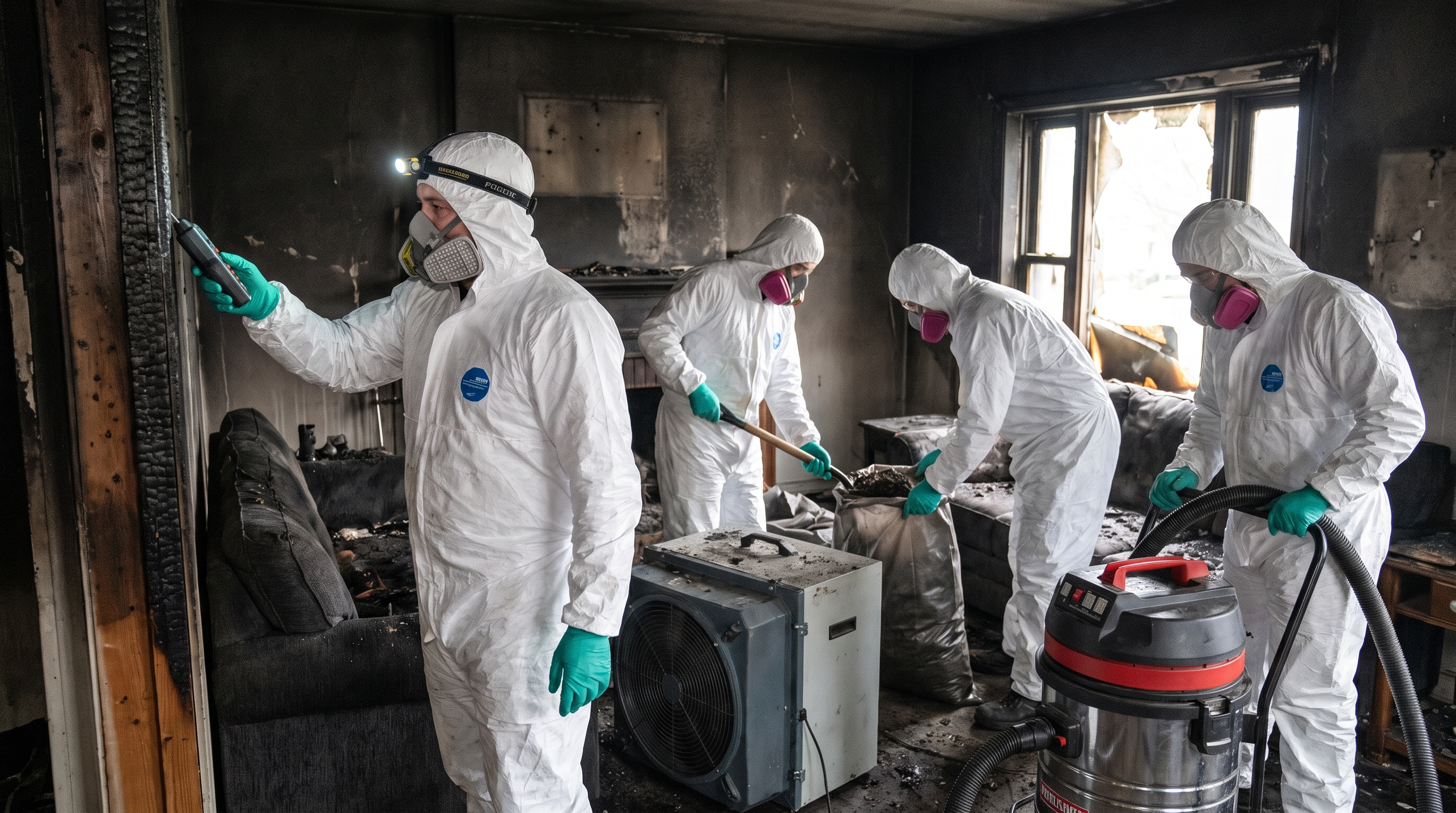
Smoke cleanup combines residue testing, controlled cleaning, HVAC review, and odor-source reduction before final deodorization begins.
Technicians identify dry soot, greasy soot, protein residue, and mixed debris before choosing cleaning methods. That prevents smearing and protects salvageable finishes.
Walls, ceilings, cabinets, floors, fixtures, ducts, vents, returns, and nearby rooms are checked for residue. HVAC inspection matters because smoke can move through the system even when the fire started in one area.
Odor treatment works after soot and contaminated materials are addressed. Cleanup reduces the smoke load before hydroxyl treatment, ozone in unoccupied spaces, thermal fogging, sealing, or other methods are used.
Kitchen, furnace, electrical, garage, and appliance fires leave different residue patterns. Matching the cleaning method to the residue protects finishes and improves odor removal.
Ductwork, attic spaces, closets, insulation, and soft contents can hold smoke even when visible surfaces look clean. Contractors check those areas before calling the cleanup complete.

Schedule smoke cleanup before soot causes deeper staining or odor migration.
Free — no obligations
Identify the soot type and affected materials before selecting dry cleaning, wet cleaning, removal, or sealing.
Separate damaged zones from cleaner areas and protect salvageable contents, finishes, and unaffected rooms.
Remove soot from surfaces, contents, HVAC openings, fixtures, and building materials using methods suited to the residue.
Confirm residue sources have been reduced before deodorization, encapsulation, or final cleaning begins.