Serving Aurora
Smoke & Soot Cleanup in Aurora
Call us for a free smoke & soot cleanup estimate
Serving Aurora
Call us for a free smoke & soot cleanup estimate
Smoke does not respect room lines. In a Naperville home with an open kitchen, finished basement, attic ductwork, or attached garage, smoke can move through return vents, stair openings, insulation gaps, closets, and wall cavities before settling as a thin film.
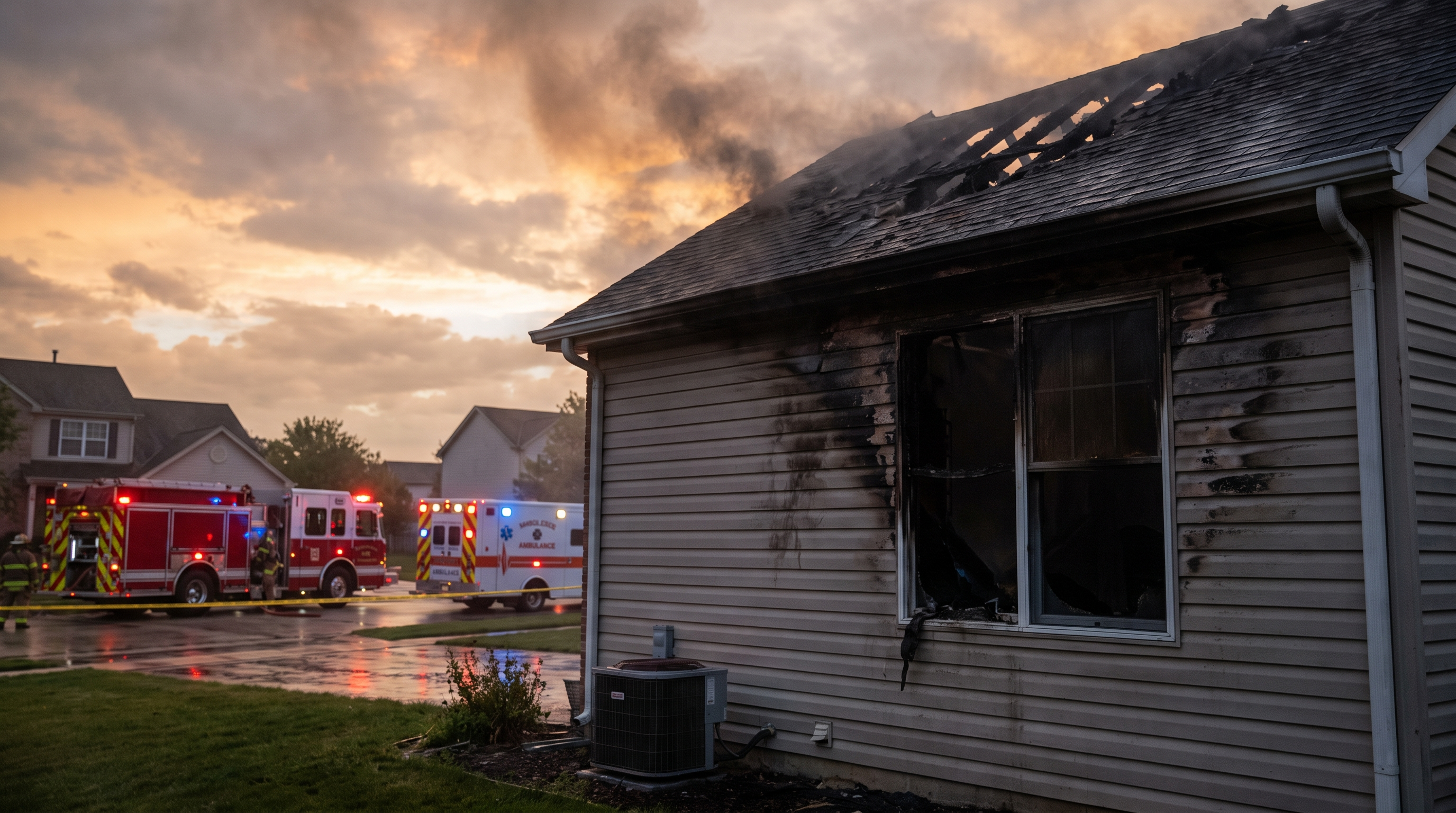
Different fires leave different residues. A kitchen fire may leave a sticky protein film and heavy odor with little visible soot. An electrical panel fire can produce greasy residue from plastics and wire insulation. A heating equipment fire may push smoke through the utility area and HVAC system before the homeowner notices the full spread.
Professional smoke and soot cleanup starts with residue identification. Dry soot, greasy soot, and protein residue each require a different cleaning method, and the wrong approach can smear material into drywall, paint, grout, unfinished wood, electronics, and fabrics.
Fast response matters because soot is acidic. It can discolor metals, yellow plastics, stain porous finishes, and lock odor into soft contents if cleanup waits too long.
Aurora has older neighborhoods, postwar homes, and newer subdivisions, so fire restoration can look different from one block to the next. A kitchen fire in an older home may push smoke into plaster, wall cavities, and attic spaces, while a garage or appliance fire in a newer home can move soot through open living areas and HVAC returns.
Aurora homeowners also need quick attention to firefighting water. Water can settle behind baseboards, under flooring, in ceiling cavities, and around finished basement materials. If drying waits, the fire claim can pick up mold, swelling, and odor problems that were preventable.
Naperville Fire Damage Restoration connects Aurora property owners with licensed contractors who can secure openings, document the loss, coordinate with the adjuster, clean smoke residue, dry wet materials, restore contents, and plan repair work around the insurance scope.
Kitchen, furnace, electrical, garage, and appliance fires leave different residue patterns. Matching the cleaning method to the residue protects finishes and improves odor removal.
Ductwork, attic spaces, closets, insulation, and soft contents can hold smoke even when visible surfaces look clean. Contractors check those areas before calling the cleanup complete.
Schedule smoke cleanup before soot causes deeper staining or odor migration.
Free — no obligations