Serving Bolingbrook
Odor Elimination in Bolingbrook
Call us for a free odor elimination estimate
Serving Bolingbrook
Call us for a free odor elimination estimate
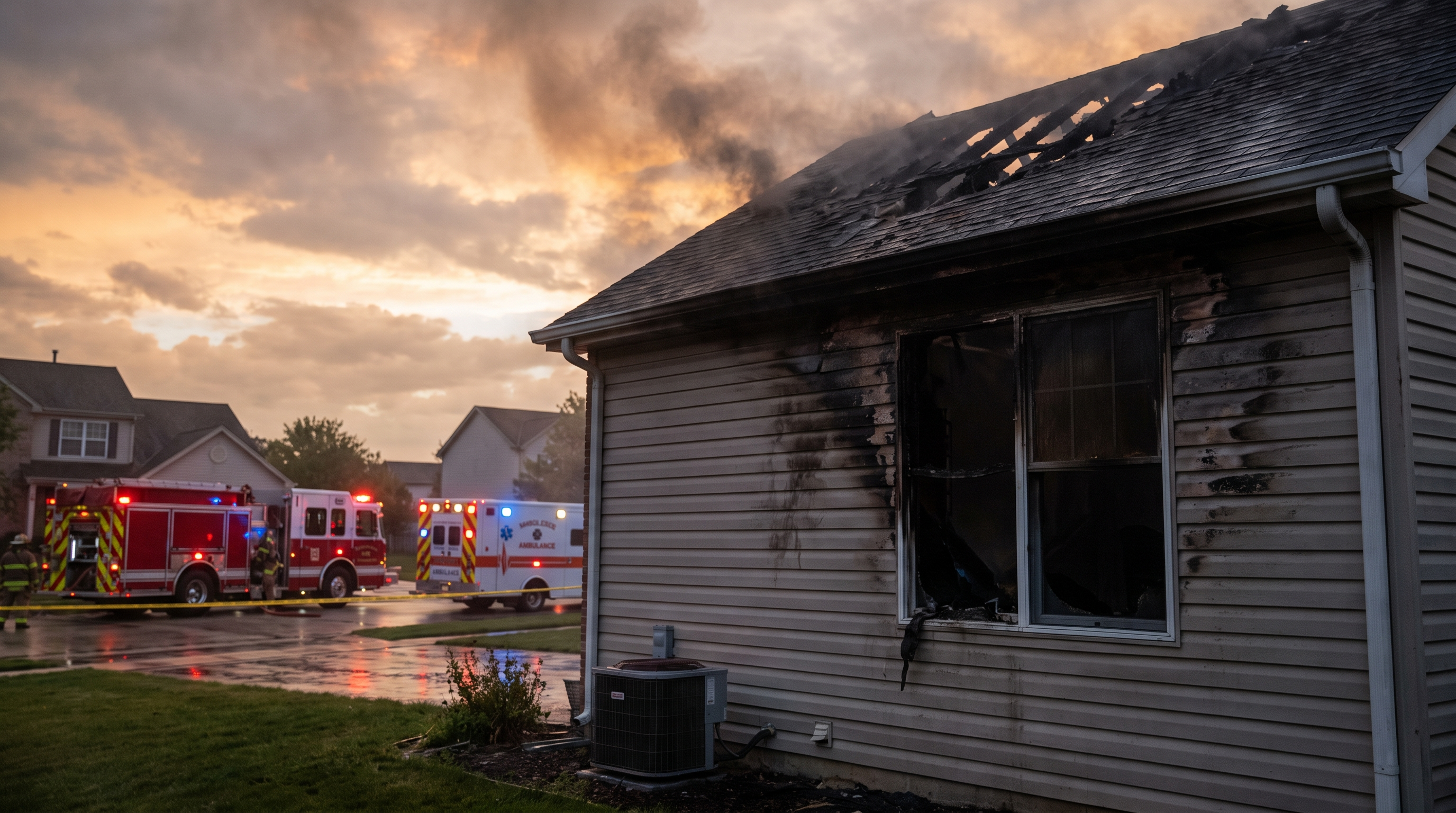
A fire-damaged home can look clean and still smell burned. Smoke odor can stay in drywall paper, insulation, ductwork, carpet backing, furniture, cabinets, attic spaces, closets, and stored contents long after visible soot is gone.
Odor elimination starts with source removal, not fragrance. Contractors need to remove charred materials, clean soot residue, treat contents, inspect HVAC pathways, and identify surfaces that need sealing or replacement before deodorization can hold.
Naperville furnace fires and electrical fires can create stubborn synthetic odors because plastics, wire insulation, dust, and building materials burn together. Kitchen fires can leave protein residue that looks light but smells heavy. Both require more than a quick air scrubber.
Depending on the source, odor treatment may include HEPA filtration, hydroxyl generators, ozone in unoccupied spaces, thermal fogging, duct cleaning, or encapsulation of prepared structural materials.
Bolingbrook has many homes from the region's suburban growth decades, with attached garages, utility rooms, open kitchens, and gas furnace systems that can shape how smoke spreads. Winter heating incidents and electrical failures can affect rooms far from the origin because smoke follows air movement through returns, chases, and stair openings.
Suppression water can also move out of sight. It may run under laminate flooring, soak cabinet bases, collect along trim, or drip into lower-level finishes. A room can look cleaned up while moisture remains behind materials.
Naperville Fire Damage Restoration helps Bolingbrook homeowners connect with licensed restoration contractors for emergency protection, assessment, smoke and soot cleanup, drying, contents inventory, odor treatment, and adjuster coordination.
Deodorization should follow debris removal, soot cleaning, contents handling, and HVAC review. That sequence treats the cause instead of covering the symptom.
Some odor treatments require the home to be unoccupied, while others can run during parts of restoration. The contractor selects methods based on residue type, contents, and building conditions.
Schedule odor evaluation before smoke settles deeper into porous materials.
Free — no obligations