Serving Aurora
Fire Damage Assessment in Aurora
Call us for a free fire damage assessment estimate
Serving Aurora
Call us for a free fire damage assessment estimate
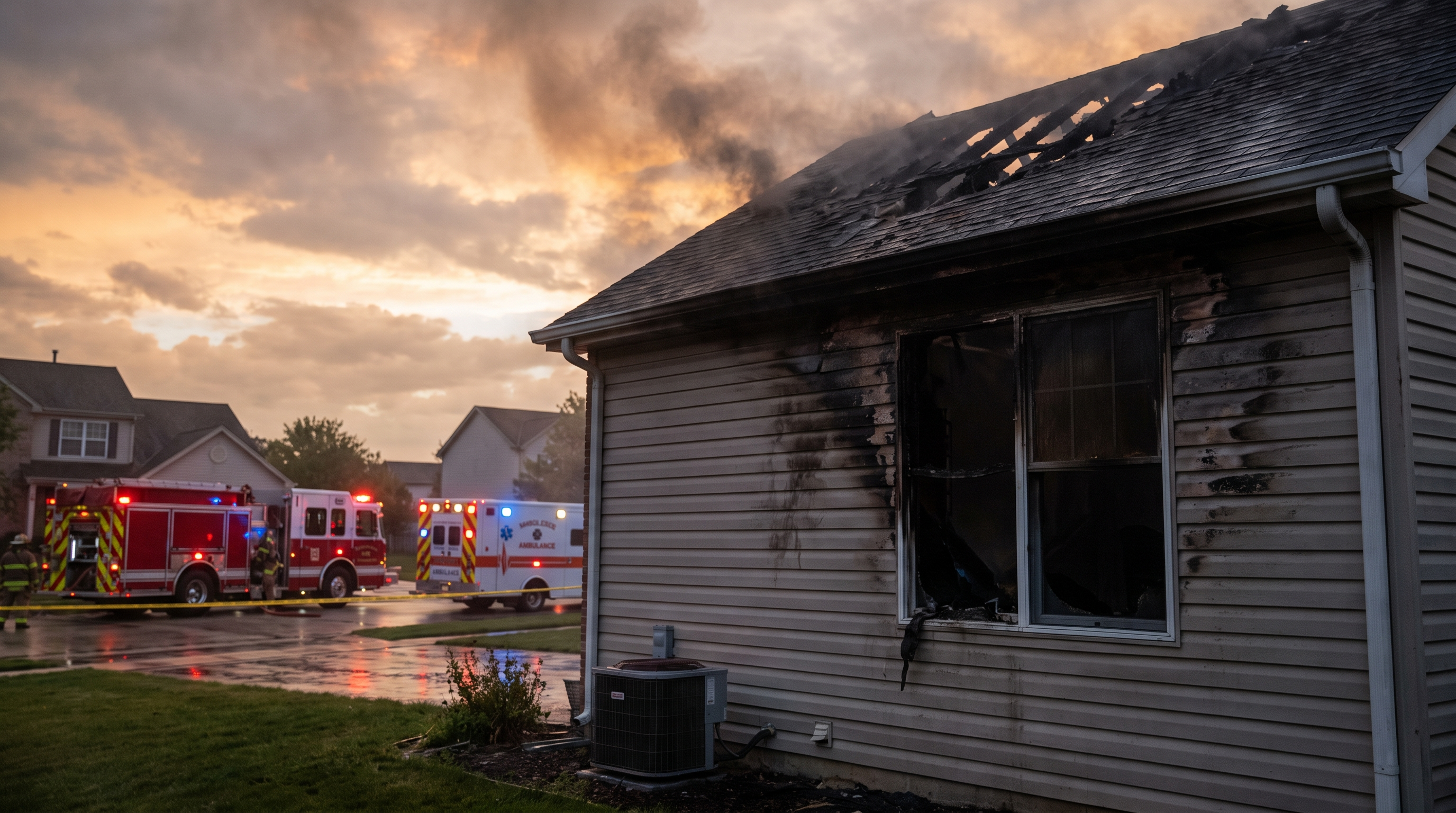
The first assessment after a fire shapes the whole restoration job. In Naperville homes, the inspection should cover the burn area, nearby rooms, attic spaces, HVAC paths, wall cavities, insulation, finished basements, flooring edges, cabinets, and any area touched by firefighting water.
A good fire damage assessment separates structural damage from smoke residue, soot staining, water damage, odor sources, and contents loss. That separation matters because a carrier may handle building repairs, personal property, and Additional Living Expenses under different parts of the policy.
Documentation should happen before demolition, cleaning, or disposal removes evidence. Photos, moisture readings, soot patterns, damaged-material notes, and a room-by-room contents record help the adjuster understand what happened and what needs to be included.
Naperville homeowners dealing with State Farm, Allstate, Country Financial, Erie, or another carrier get better footing when a licensed restoration contractor can review the damage before the adjuster visit and catch conditions that do not show up in a quick walk-through.
Aurora has older neighborhoods, postwar homes, and newer subdivisions, so fire restoration can look different from one block to the next. A kitchen fire in an older home may push smoke into plaster, wall cavities, and attic spaces, while a garage or appliance fire in a newer home can move soot through open living areas and HVAC returns.
Aurora homeowners also need quick attention to firefighting water. Water can settle behind baseboards, under flooring, in ceiling cavities, and around finished basement materials. If drying waits, the fire claim can pick up mold, swelling, and odor problems that were preventable.
Naperville Fire Damage Restoration connects Aurora property owners with licensed contractors who can secure openings, document the loss, coordinate with the adjuster, clean smoke residue, dry wet materials, restore contents, and plan repair work around the insurance scope.
The best time to find missed conditions is before the adjuster locks in a limited scope. Initial documentation protects smoke, soot, water, structural, and contents items that are easy to overlook.
Older electrical panels, gas furnace rooms, open kitchens, finished basements, and attic HVAC routes all create different fire paths. Contractors inspect the building like a connected system, not a single damaged room.
Get the damage documented before cleanup, disposal, or drying changes the claim evidence.
Free — no obligations