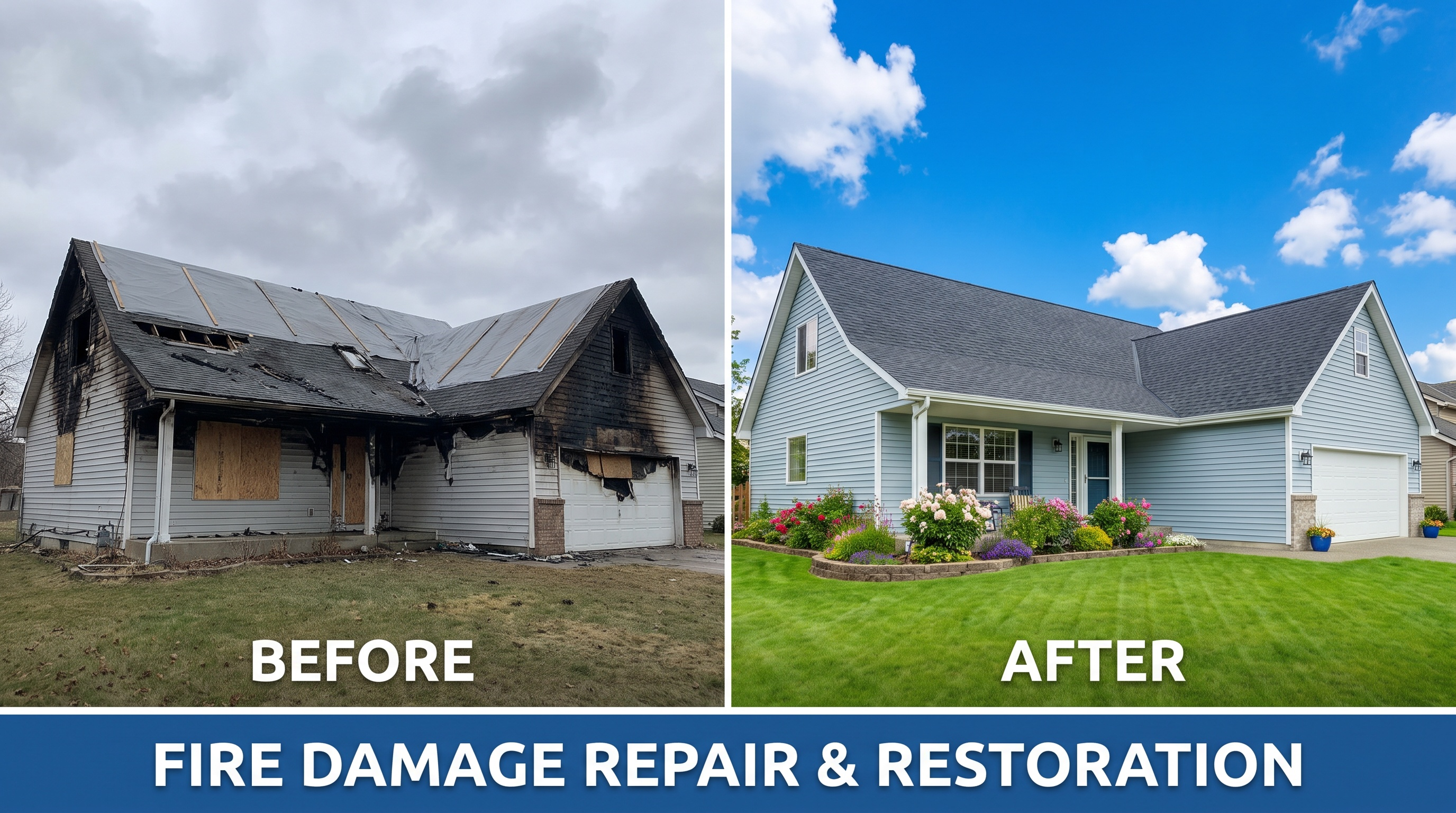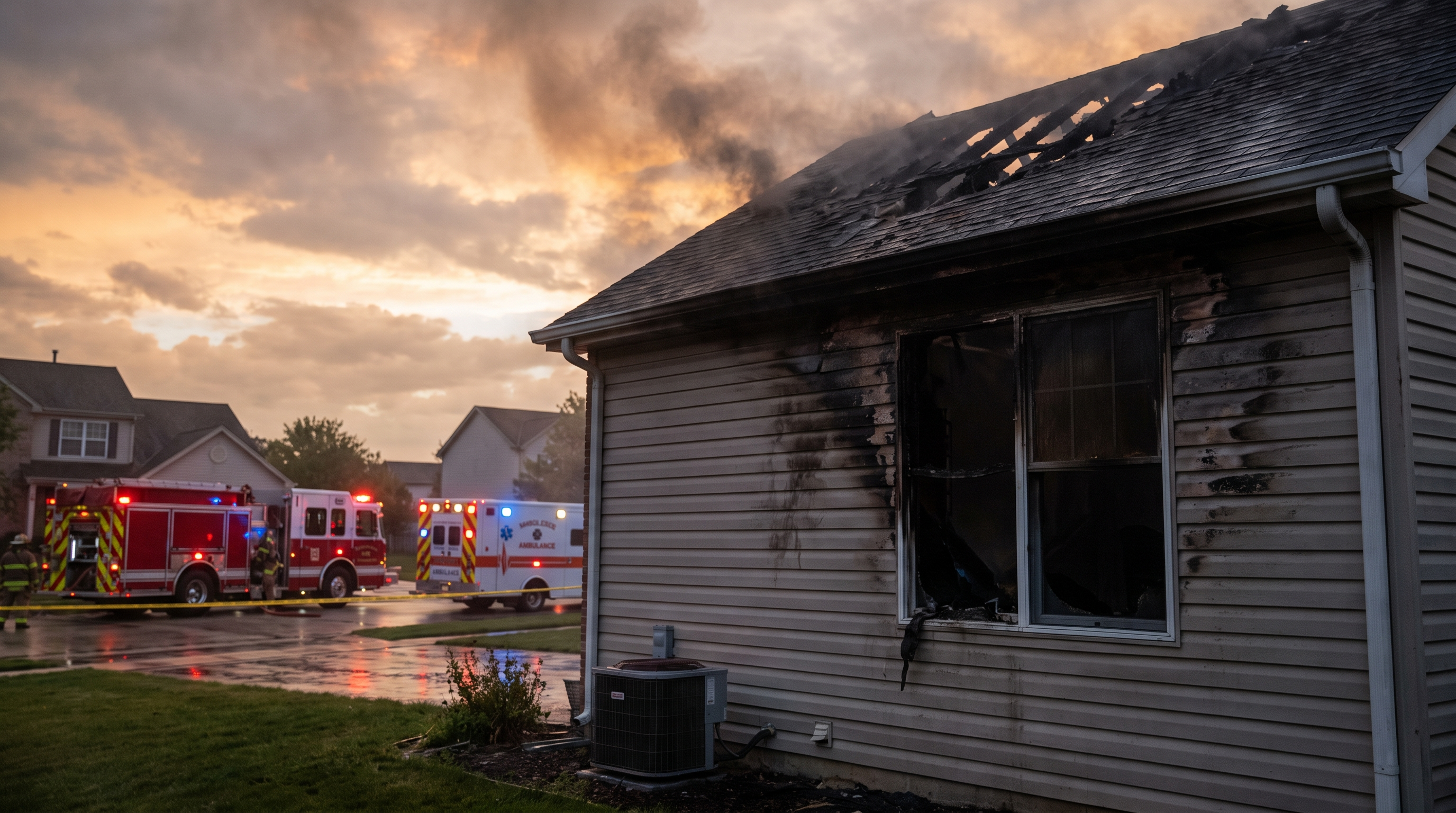
Naperville's Fire Damage Assessment Specialists
Clear Fire Damage Scopes for Naperville Homes
A careful assessment helps capture hidden smoke, soot, and water damage before the first insurance scope sets the tone.
Naperville's Fire Damage Assessment Specialists
A careful assessment helps capture hidden smoke, soot, and water damage before the first insurance scope sets the tone.
The first assessment after a fire shapes the whole restoration job. In Naperville homes, the inspection should cover the burn area, nearby rooms, attic spaces, HVAC paths, wall cavities, insulation, finished basements, flooring edges, cabinets, and any area touched by firefighting water.
A good fire damage assessment separates structural damage from smoke residue, soot staining, water damage, odor sources, and contents loss. That separation matters because a carrier may handle building repairs, personal property, and Additional Living Expenses under different parts of the policy.
Documentation should happen before demolition, cleaning, or disposal removes evidence. Photos, moisture readings, soot patterns, damaged-material notes, and a room-by-room contents record help the adjuster understand what happened and what needs to be included.
Naperville homeowners dealing with State Farm, Allstate, Country Financial, Erie, or another carrier get better footing when a licensed restoration contractor can review the damage before the adjuster visit and catch conditions that do not show up in a quick walk-through.
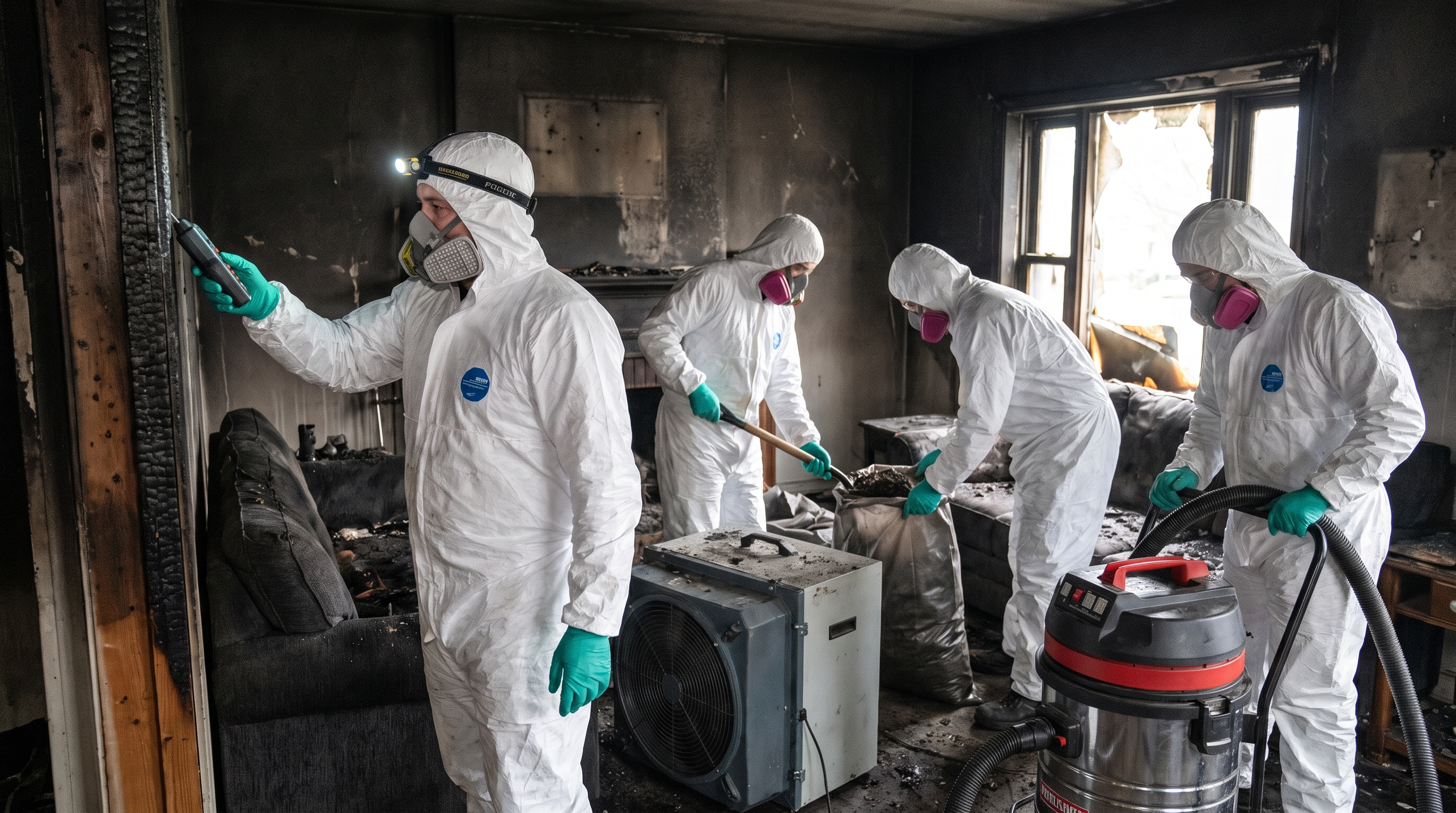
Fire damage assessment combines site safety, technical inspection, and claim-ready documentation so the restoration plan starts from actual conditions.
Contractors evaluate burned framing, drywall, ceilings, flooring, trim, cabinets, roof openings, and other affected materials. They also check heat damage, smoke migration, and water exposure in connected spaces.
Moisture meters, visual inspection, residue checks, and odor tracing help locate firefighting water and smoke pathways. This matters in Naperville homes with finished basements, attached garages, attic ductwork, and older wall assemblies.
Photos, notes, readings, and preliminary scope details are organized for the homeowner, adjuster, and restoration contractor. If the first estimate misses hidden damage, this record can support a supplement.
The best time to find missed conditions is before the adjuster locks in a limited scope. Initial documentation protects smoke, soot, water, structural, and contents items that are easy to overlook.
Older electrical panels, gas furnace rooms, open kitchens, finished basements, and attic HVAC routes all create different fire paths. Contractors inspect the building like a connected system, not a single damaged room.

Get the damage documented before cleanup, disposal, or drying changes the claim evidence.
Free — no obligations
Confirm the fire department has cleared the property for entry and note unstable areas, electrical hazards, roof openings, water saturation, and access limits.
Document burn damage, smoke spread, soot residue, moisture, odor, contents impact, and possible hidden damage in connected spaces.
Organize photos, readings, notes, and damaged-item details for the homeowner, adjuster, and restoration scope.
Prioritize stabilization, drying, smoke cleaning, contents handling, odor control, and rebuild items so work starts in the right order.