Serving Naperville & DuPage County, IL
Naperville Fire Cleanup Needs Fast Documentation
Smoke, soot, and firefighting water keep damaging materials after the flames are out, so request a free estimate once the property is cleared.
Serving Naperville & DuPage County, IL
Smoke, soot, and firefighting water keep damaging materials after the flames are out, so request a free estimate once the property is cleared.
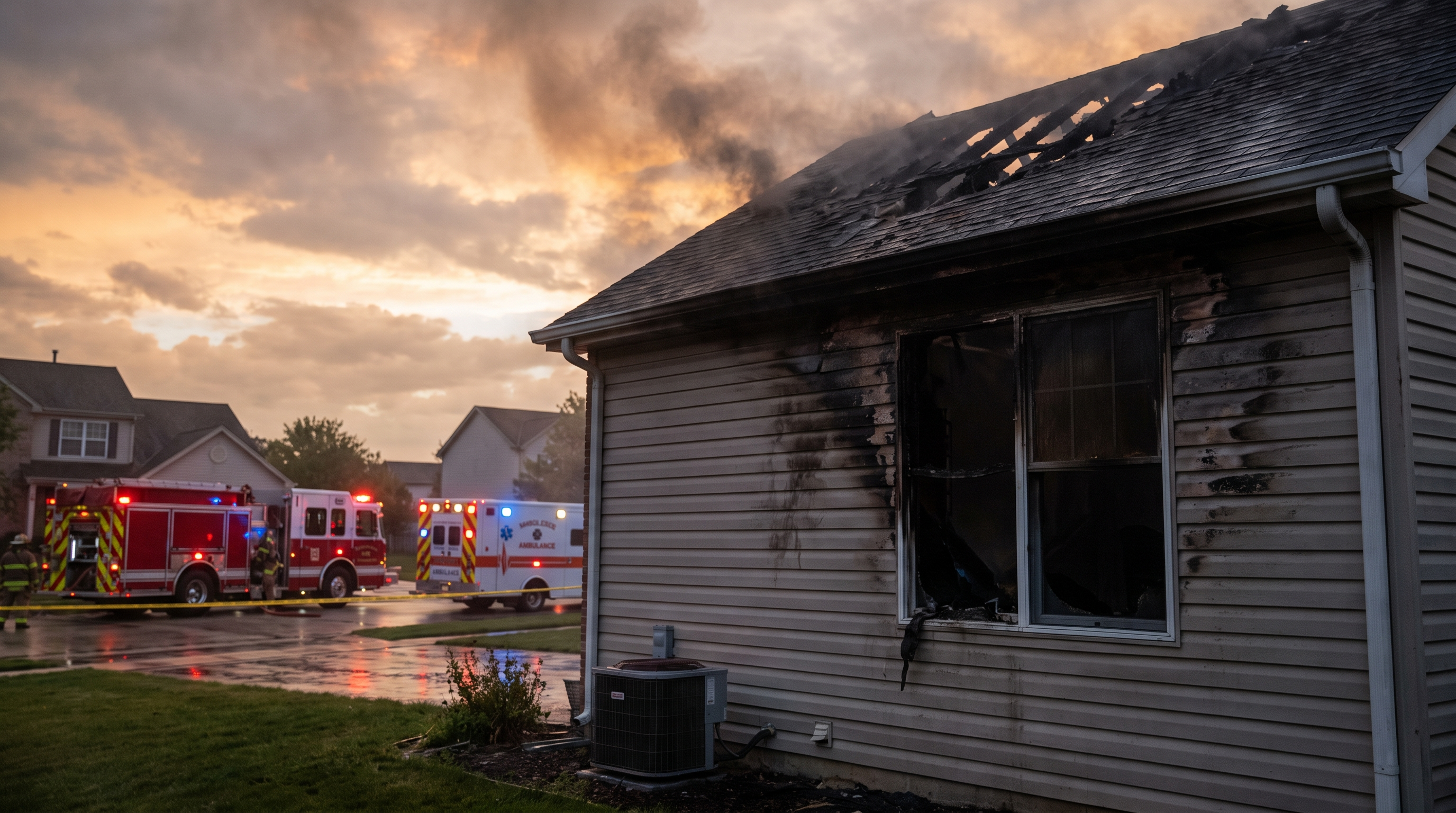
A house fire in Naperville does not often stay limited to the burned room. Smoke can move through drywall gaps, attic spaces, HVAC returns, closets, and soft contents within hours. Soot is acidic, so painted trim, cabinets, stone, metal fixtures, electronics, and textiles can keep deteriorating while everyone waits for the first insurance visit.
Naperville has about 153,000 residents and a wide mix of homes. Some East Naperville colonials and older properties still have pre-2000 electrical panels, while many suburban homes from the 1960s through the 2000s use gas furnaces that may not have been serviced before winter. Heating equipment fires tend to spike from November through March, and those fires often leave heavy smoke odor even when flames stay near the furnace room, laundry area, or utility space.
Firefighting water adds another layer. Crews may use enough water to soak drywall, insulation, flooring, cabinets, and contents in rooms that never burned. In DuPage County, a fire claim can run from $35,000 to $90,000, so initial documentation matters before damaged materials are moved, cleaned, or discarded.
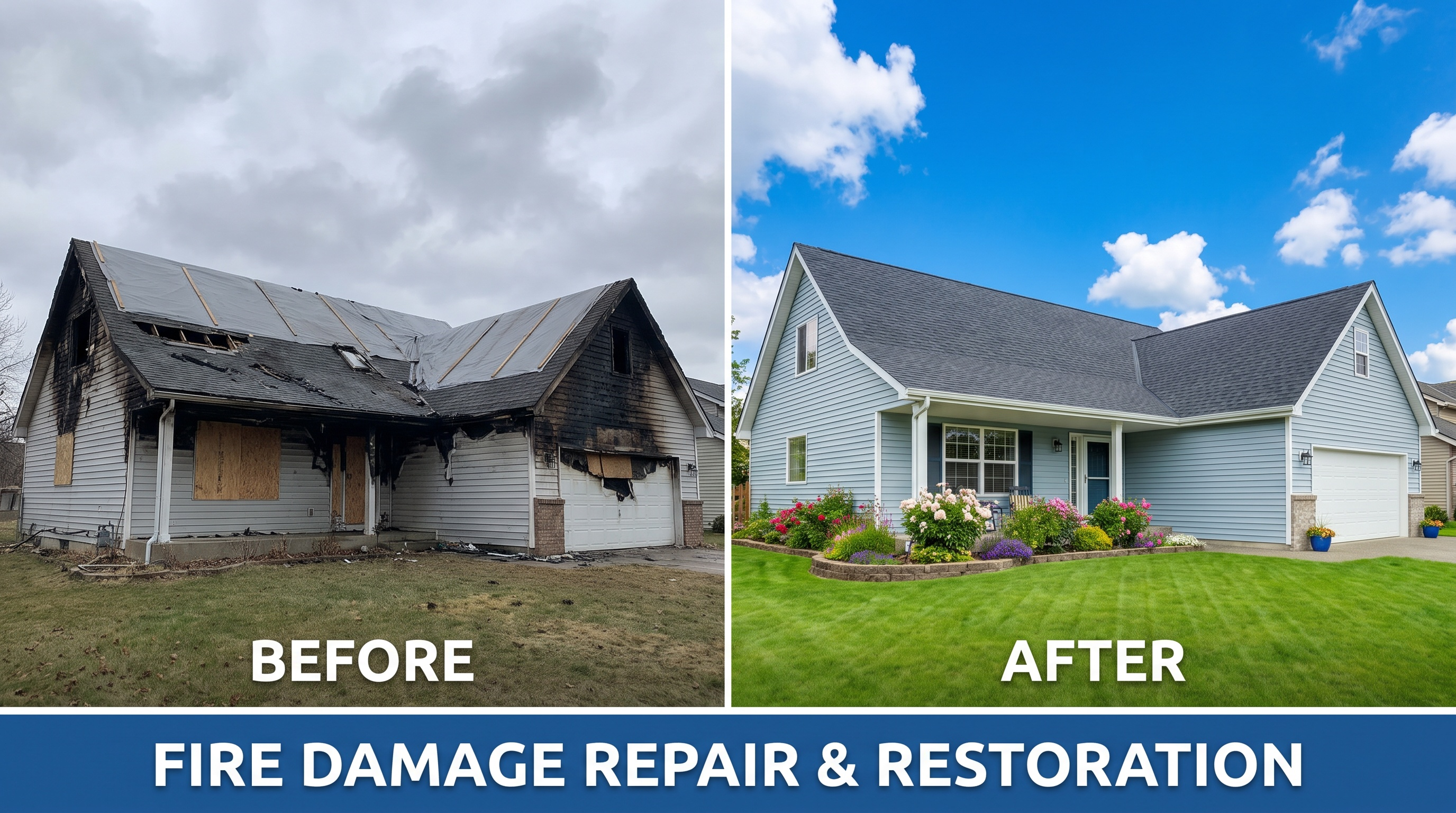
Naperville Fire Damage Restoration connects property owners with licensed Illinois restoration contractors who can stabilize the structure, document the loss, coordinate with the adjuster, clean salvageable materials, and plan the restoration or rebuild in the right order.
Fire restoration in Naperville often involves more than charred drywall. A complete job may include board-up, roof tarping, smoke and soot cleaning, HVAC inspection, water mitigation, contents pack-out, odor treatment, and a rebuild scope that matches the actual condition of the home.
Many Naperville homeowners carry State Farm, Allstate, Country Financial, or Erie. Illinois claim rules require carriers to respond within 10 business days, but that deadline does not guarantee a complete first estimate. A contractor on site before or during the adjuster visit can point out soot in remote rooms, smoke contamination in the HVAC system, firefighting water behind finishes, and contents damage that should be documented under the correct coverage.
The practical goal is simple: secure the property, preserve the claim evidence, dry what got wet, clean what can be saved, and make sure hidden smoke or water damage does not become a second problem later.
More about us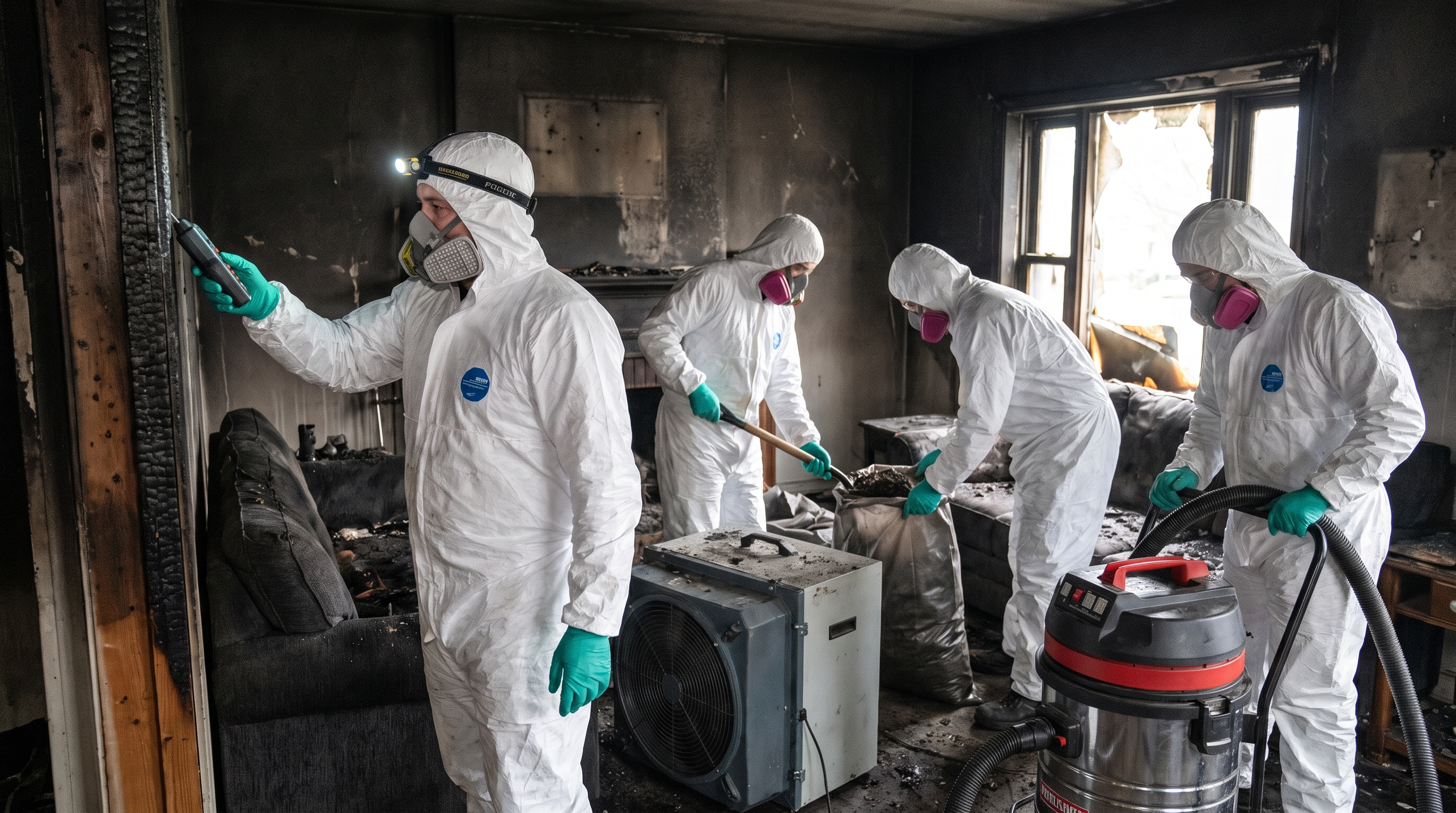
Fire damage in Naperville can affect the building, the air system, personal property, and the insurance claim at the same time. These services cover the main phases most homeowners need after a residential fire.
A detailed assessment documents burn damage, smoke spread, soot residue, firefighting water, contents loss, and claim evidence before cleanup changes the scene.
Learn more →Specialized smoke and soot cleanup removes acidic residue, staining, and odor sources from surfaces, air pathways, and salvageable materials.
Learn more →Firefighting water mitigation dries soaked drywall, flooring, cabinets, framing, and contents before mold or swelling creates more damage.
Learn more →Contents restoration covers inventory, pack-out, cleaning, storage, and return of belongings affected by fire, smoke, soot, water, or odor.
Learn more →Smoke odor elimination targets the residue, materials, cavities, and HVAC pathways that keep a home smelling burned.
Learn more →Emergency board-up and tarping secure openings, protect the property from weather, and limit avoidable damage after a fire.
Learn more →Naperville Fire Damage Restoration serves homeowners throughout Naperville and nearby DuPage County communities, including Aurora, Bolingbrook, Lisle, Wheaton, and Warrenville. The service area covers older homes near downtown cores, established postwar neighborhoods, and suburban subdivisions built during the region's growth decades.
Whether the fire started in an East Naperville electrical panel, a Bolingbrook furnace closet, a Wheaton kitchen, or an Aurora attached garage, the priorities stay the same: protect the structure, document the damage, stop smoke and water from spreading, handle contents with care, and coordinate the claim before the first scope misses hidden conditions.
See all service areas
Board-up and tarping should begin once the property is safe to access. Emergency protection helps prevent rain intrusion, vandalism, animal entry, and additional damage while the full restoration scope is prepared.
DuPage County fire claims often involve building damage, smoke cleaning, contents, water mitigation, and temporary living costs. Contractors connected through the service can photograph conditions, document moisture and soot spread, and support supplements when a first carrier estimate misses hidden damage.
Older gas furnaces, pre-2000 electrical panels, attached garages, finished basements, and open suburban floor plans all change how fire, smoke, and water move through a home. The inspection follows those pathways instead of stopping at visible burn marks.
Furniture, clothing, electronics, photos, documents, and stored items need inventory before anything is thrown away. Pack-out, cleaning, storage, and personal property documentation often sit outside the main structural repair scope, so they need attention from the start.
Start once the fire department clears the property for entry. Smoke and soot can penetrate drywall, HVAC systems, and soft contents within hours, while firefighting water can soak hidden materials behind cabinets, trim, and flooring.
The local context for many DuPage County residential fire claims is about $35,000 to $90,000, depending on the fire source, rooms affected, amount of suppression water, and contents damage. Your out-of-pocket amount depends on your deductible, policy terms, and whether the carrier approves the full scope.
The common 6-step path is emergency response, board-up or tarping, damage assessment, insurance adjuster coordination, restoration or rebuild, and final inspection. Contents inventory, pack-out, odor treatment, and drying often run alongside those steps.
Yes. Illinois has strict restoration contractor licensing requirements, so homeowners should use licensed contractors for emergency work, mitigation, cleaning, and rebuild work. Naperville Fire Damage Restoration connects callers with licensed contractors suited to the scope.
Yes. Smoke can travel through HVAC returns, wall cavities, attic bypasses, stairwells, door gaps, and soft materials. A contained furnace, kitchen, or electrical fire can still leave soot and odor in rooms that never saw flames.
No obligation. Request a fire damage estimate once the property is safe to access.
Free — no obligations